


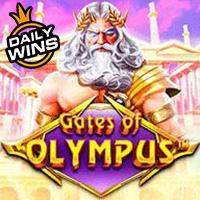













Modern entertainment is a vibrant, multi-sensory landscape that seamlessly blends visual aesthetics, auditory experiences, and cultural narratives. It engages audiences on an emotional and psychological level, creating immersive worlds that resonate deeply. From blockbuster films and video games to online slot machines, the interplay of colors, sounds, and historical themes forms the backbone of compelling storytelling. Notably, brands like le zeus free play serve as contemporary illustrations of how these elements are harnessed to captivate modern audiences.
- Introduction: The Interplay of Colors, History, and Music in Shaping Modern Entertainment
- The Historical Foundations of Entertainment: From Ancient Symbols to Modern Media
- Color Psychology and Its Role in Shaping Audience Perception
- Musical Influences and Soundscapes in Modern Entertainment
- Cultural and Mythological Narratives as a Bridge Between Past and Present
- The Symbiosis of Visual and Auditory Elements in Creating Immersive Experiences
- The Influence of Technological Advances on Colors, Music, and Historical Representation
- Non-Obvious Dimensions: Psychological and Societal Impacts
- Conclusion: Integrating Colors, History, and Music to Enrich Modern Entertainment
1. Introduction: The Interplay of Colors, History, and Music in Shaping Modern Entertainment
Modern entertainment transcends mere visual spectacle or auditory stimulation; it is a complex, multi-sensory experience that leverages the deep-rooted associations of colors, sounds, and cultural stories. This synergy enhances emotional engagement, making content memorable and impactful. For instance, a video game that employs mythological symbols, vibrant color palettes, and thematic music can evoke feelings of awe and nostalgia simultaneously. Brands like le zeus exemplify how contemporary creators utilize these elements to craft immersive environments that resonate with universal archetypes and historical motifs, illustrating the enduring power of these fundamental components in entertainment.
2. The Historical Foundations of Entertainment: From Ancient Symbols to Modern Media
a. How historical symbolism influences visual aesthetics in entertainment
Historical symbols—such as ancient currency, religious icons, or mythological figures—have long served as visual anchors in storytelling. These symbols carry layers of meaning that evoke cultural memory and identity. For example, the depiction of coins like Silver drachmas in ancient Greece not only represented wealth but also conveyed political and social narratives. Modern media often adapt these symbols to create a sense of authenticity or to evoke a specific era, enriching the visual experience and fostering a connection with history.
b. The evolution of cultural narratives and their impact on entertainment content
Cultural narratives evolve as societies reinterpret their history and myths. These stories are retold through films, games, and art, often blending traditional elements with contemporary themes. The enduring popularity of Greek mythology in modern entertainment demonstrates how ancient stories about gods like Zeus or Titans continue to inspire new generations, providing familiar frameworks within innovative contexts. This continuity underscores the importance of historical storytelling in shaping modern narratives.
3. Color Psychology and Its Role in Shaping Audience Perception
a. The science behind color perception and emotional responses
Color psychology explores how different hues influence human emotions and behaviors. For instance, red can evoke excitement or urgency, blue often promotes calmness and trust, while gold suggests wealth and grandeur. These associations are backed by extensive research indicating that color impacts decision-making, mood, and perception, making it a powerful tool in entertainment design.
b. Application of color schemes in branding, marketing, and media design
In the context of gaming and branding, strategic color choices enhance user engagement. Bright, contrasting palettes attract attention, while subdued tones create atmosphere and immersion. For example, slot games like Le Zeus utilize rich golds and blues to evoke wealth and divine power, aligning with the mythological theme. Such deliberate color schemes influence players’ perceptions and emotional responses, increasing engagement and retention.
4. Musical Influences and Soundscapes in Modern Entertainment
a. The impact of music on mood, memory, and immersion
Music profoundly influences emotional states, reinforcing narrative themes and enhancing immersion. A well-crafted soundtrack can evoke feelings of heroism, suspense, or tranquility, guiding audience responses subconsciously. For example, thematic music in slot games like Le Zeus amplifies mythological ambiance, making gameplay more captivating and memorable.
b. Evolution of musical styles from historical roots to contemporary genres
From ancient chants and orchestral compositions to electronic and ambient sounds, musical styles have evolved alongside technological advances. Modern entertainment often blends these styles to create unique soundscapes that appeal to diverse audiences. The use of thematic motifs, such as those inspired by Greek mythology, helps bridge historical narratives with contemporary musical expressions, enriching the overall experience.
5. Cultural and Mythological Narratives as a Bridge Between Past and Present
a. How ancient myths are reinterpreted in modern media
Ancient myths serve as rich sources for modern storytelling, providing archetypal characters and moral lessons that resonate across eras. Films, games, and literature reinterpret these stories with contemporary perspectives, often emphasizing themes of heroism, conflict, and transformation. For example, portrayals of Zeus in modern media range from divine overlords to complex characters with human flaws, offering both entertainment and educational insights into Greek mythology.
b. The significance of Greek mythology, including figures like Zeus and Metis, in entertainment
Greek mythology continues to influence modern entertainment, serving as a framework for storytelling and world-building. The depiction of gods such as Zeus or the wisdom figure Metis not only entertains but also educates about ancient beliefs, values, and cultural symbolism. Such narratives foster a deeper understanding of history while engaging audiences with timeless themes of power, wisdom, and hubris.
6. The Symbiosis of Visual and Auditory Elements in Creating Immersive Experiences
a. How visual design and sound design work together to captivate audiences
Effective entertainment seamlessly integrates visual aesthetics with soundscapes to deepen immersion. Complementary color palettes and musical scores reinforce thematic elements, guiding emotional responses. For example, the divine aura of Zeus in games or films can be accentuated through majestic visuals and epic orchestral music, creating a holistic sensory experience.
b. The role of color palettes and musical scores in storytelling
Color and sound are integral to storytelling. Warm hues can evoke intimacy or danger, while specific musical motifs signal character traits or plot shifts. The synergy of these elements shapes narrative flow and audience engagement, exemplified by how slot games like Le Zeus combine vibrant visuals with thematic sound effects to heighten excitement.
7. The Influence of Technological Advances on Colors, Music, and Historical Representation
a. Digital tools enabling more vivid color reproduction and sophisticated sound design
Advancements in digital rendering, high-definition displays, and surround sound have revolutionized entertainment. These technologies enable creators to produce more realistic and immersive environments, where colors can be manipulated precisely to evoke specific moods, and soundscapes can be spatially crafted for maximum impact. Such tools allow historical and mythological themes to be presented with enhanced authenticity and visual fidelity.
b. Virtual and augmented reality’s role in historical immersion
Emerging VR and AR technologies offer unprecedented opportunities for experiencing history and mythology firsthand. Users can virtually explore ancient sites, witness mythological narratives, and interact with historical symbols, deepening understanding and engagement. This immersive approach transforms passive viewing into participatory learning, bridging past and present effectively.
c. Future trends: How emerging tech might shape the next generation of entertainment
Looking forward, innovations like AI-driven content, haptic feedback, and neural interfaces promise to personalize and intensify sensory experiences. These technologies will allow for even more nuanced use of colors, sounds, and storytelling rooted in history and mythology, creating deeply personalized and emotionally resonant entertainment experiences.
8. Non-Obvious Dimensions: Psychological and Societal Impacts
a. How subconscious cues like color and music influence societal perceptions and attitudes
Subconscious cues in entertainment shape societal norms and perceptions. For instance, the use of regal colors like purple and gold in media can reinforce ideals of authority and prestige. Similarly, musical cues associated with heroism or villainy influence moral judgments and social attitudes, often perpetuating stereotypes or cultural values.
b. The ethical considerations in using historical and mythological references in entertainment
Employing historical and mythological themes requires sensitivity to avoid misrepresentation or cultural appropriation. Responsible creators should aim for accuracy and respect, acknowledging the cultural significance of symbols and stories. The way brands or media depict figures like Zeus can influence cultural perceptions; thus, ethical storytelling is paramount.
c. The role of brands like Le Zeus in shaping cultural narratives and consumer perceptions
Brands that incorporate mythological themes contribute to collective cultural narratives, subtly influencing consumer perceptions and values. By leveraging symbols of power and divinity, they reinforce certain ideals—such as excellence, mastery, or divine favor—affecting societal attitudes and aspirations. Understanding this influence is crucial for both creators and consumers seeking to navigate the cultural landscape responsibly.
9. Conclusion: Integrating Colors, History, and Music to Enrich Modern Entertainment
“The most compelling entertainment we experience today is a product of centuries of cultural evolution—where colors, sounds, and stories intertwine to create worlds that educate, inspire, and entertain.” – Expert Observation
In essence, the interconnectedness of visual aesthetics, auditory elements, and historical narratives forms the foundation of modern entertainment. Creators who understand these dynamics can craft experiences that are not only engaging but also meaningful, fostering cultural literacy and emotional connection. As technology advances, the potential to deepen these integrations expands, promising an exciting future where entertainment becomes even more immersive and educational. Recognizing and harnessing these fundamental components will continue to shape how audiences perceive and interact with entertainment across generations.